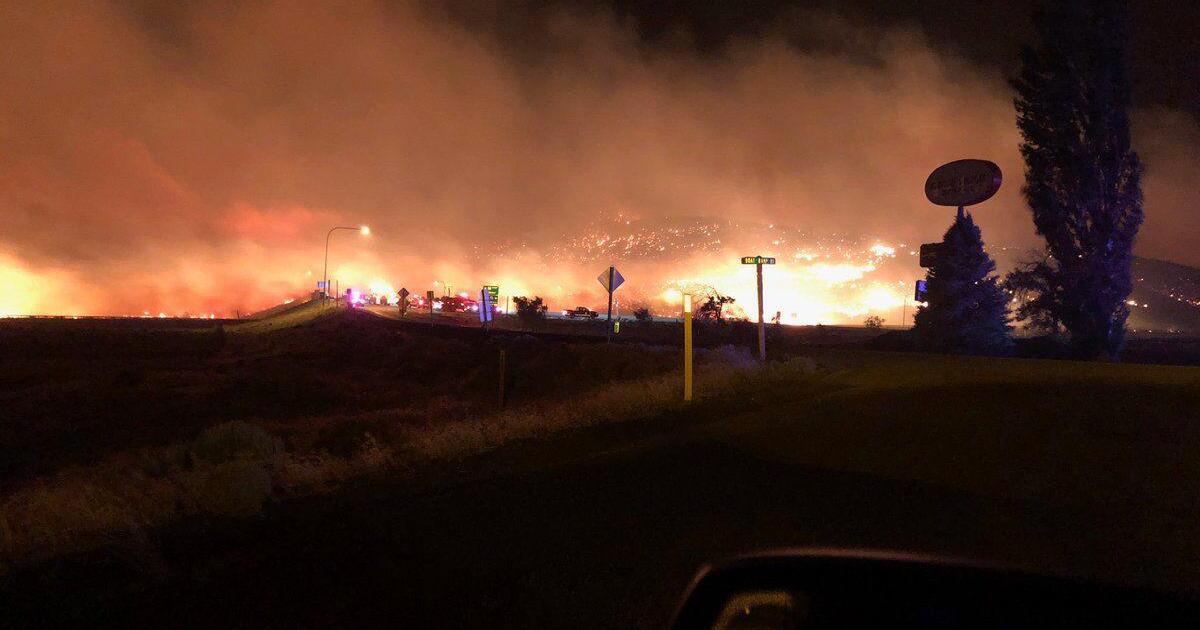
Biomass Fire Today: Massive Blaze Sparks Emergency Response, Heavy Smoke, Road Closures & Firefighting Updates
A biomass fire has prompted a large emergency response, sending thick smoke into the air and raising public safety concerns. Get the latest updates on the biomass fire, road closures, firefighting efforts, and safety advice.
A biomass fire can quickly become a major emergency due to the large volume of combustible organic materials involved. Fire crews are responding to reports of a biomass fire, working to contain the blaze while protecting nearby properties and preventing the fire from spreading to surrounding vegetation or industrial facilities.
Authorities continue to monitor conditions as smoke from the fire affects visibility and air quality in nearby areas. Residents are being urged to remain alert, avoid the affected location, and follow instructions from local emergency officials.
What Is a Biomass Fire?
A biomass fire occurs when organic materials such as wood chips, sawdust, agricultural waste, mulch, compost, crop residue, or other plant-based materials ignite. Biomass storage facilities are commonly found at power plants, recycling centers, lumber yards, agricultural sites, and industrial processing facilities.
These fires can be particularly difficult to extinguish because biomass piles often generate internal heat over time. In some cases, fires can smolder deep inside the material for days or even weeks before flames become visible.
Emergency Crews Respond
Firefighters have deployed multiple units to battle the biomass fire, utilizing specialized equipment designed for large industrial and vegetation-related incidents. Crews are working to:
Prevent the fire from spreading to nearby buildings.
Protect surrounding vegetation and infrastructure.
Reduce heavy smoke impacting neighboring communities.
Monitor hotspots that may continue burning beneath the surface.
Ensure firefighter safety throughout the operation.
Depending on the size of the biomass pile, heavy machinery such as excavators or loaders may be used to separate burning materials, allowing firefighters to fully extinguish hidden hotspots.
Smoke Creates Air Quality Concerns
One of the biggest hazards associated with biomass fires is the significant amount of smoke they produce. Thick smoke may contain fine particulate matter capable of affecting respiratory health, particularly for:
Children
Older adults
Individuals with asthma
People with heart or lung conditions
Health officials often recommend that residents close windows and doors, limit outdoor activities, and use air filtration systems if smoke becomes dense in nearby neighborhoods.
Traffic and Road Closures Possible
Large fires frequently lead to temporary road closures as emergency crews establish operational zones around the incident. Motorists should expect:
Traffic delays
Alternate routes
Reduced visibility due to smoke
Temporary restrictions near the fire scene
Drivers should exercise caution and avoid entering areas where emergency personnel are actively working.
Why Biomass Fires Are Difficult to Extinguish
Unlike typical structure fires, biomass fires present unique challenges because:
Internal temperatures can remain extremely high.
Large piles trap heat beneath the surface.
Hidden hotspots may reignite after appearing extinguished.
Large volumes of fuel require extensive overhaul operations.
Strong winds can spread embers to nearby vegetation.
Firefighters often spend many hours—or even several days—ensuring that all burning material has been completely extinguished.
Possible Causes Under Investigation
Officials generally investigate biomass fires to determine their cause. Potential causes may include:
Spontaneous heating within organic material
Equipment malfunction
Electrical failure
Human activity
Mechanical sparks
Lightning strikes
Improper disposal of smoking materials
Investigators will examine the scene once conditions are safe to determine how the fire started.
Leave a Reply